
Why Your Car’s Suspension Matters More Than You Think
Your vehicle’s suspension system plays a critical role in ensuring safety, comfort, and overall driving performance. Whether you’re navigating city streets or uneven rural roads, a well-maintained suspension ensures stability, proper handling, and tire longevity.
Many drivers overlook suspension issues until they become severe, leading to costly repairs and unsafe driving conditions. This guide explains everything you need to know about suspension, how it works, common problems, and how to maintain it effectively.
What Is a Suspension System?
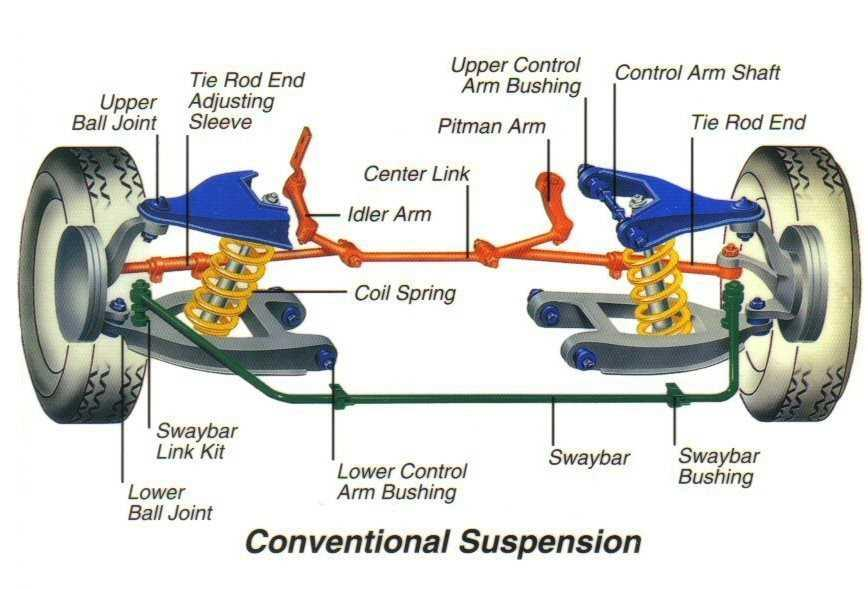
The suspension system is a network of components including springs, shock absorbers, struts, control arms, and linkages that connect your vehicle to its wheels.
Primary Functions of Suspension
- Absorbs shocks from road irregularities
- Maintains tire contact with the road
- Ensures vehicle stability and control
- Enhances passenger comfort
Without a properly functioning suspension system, even a smooth road can feel rough and unsafe.
How the Suspension System Works
The suspension system works by balancing energy absorption and control.
Key Components Explained
1. Springs
Springs absorb the initial impact from bumps and dips. Common types include coil springs, leaf springs, and torsion bars.
2. Shock Absorbers
Shock absorbers control the rebound movement of springs, preventing excessive bouncing.
3. Struts
Struts combine shock absorbers and structural support into one unit, commonly used in modern vehicles.
4. Control Arms and Linkages
These components connect the wheels to the frame and allow controlled movement.
Together, these parts ensure your car remains stable while adapting to road conditions.
Types of Suspension Systems

1. Independent Suspension
Each wheel moves independently, improving comfort and handling.
2. Dependent Suspension
Wheels are connected by a solid axle, commonly found in trucks.
3. Air Suspension
Uses air springs for adjustable ride height and comfort.
4. Double Wishbone Suspension
Provides better control and stability, often used in performance vehicles.
Common Suspension Problems and Warning Signs
Ignoring suspension issues can lead to serious safety risks. Here are the most common signs:
1. Rough or Bumpy Ride
If your car feels unusually rough, your shock absorbers may be worn.
2. Uneven Tire Wear
Poor suspension affects wheel alignment, leading to uneven tire wear.
3. Drifting or Pulling While Turning
This indicates reduced stability and control.
4. Nose Diving During Braking
A sign of weak or failing shocks.
5. Knocking or Clunking Noises
Loose or damaged suspension components can cause unusual sounds.
If you notice any of these issues, it’s important to get your vehicle inspected. You can book a professional inspection through this page:
Schedule a suspension check with Gladstone Garage
What Causes Suspension Damage?
Several factors contribute to suspension wear and tear:
- Poor road conditions (potholes, speed bumps)
- Overloading your vehicle
- Aggressive driving habits
- Lack of regular maintenance
- Aging components
Regular servicing can prevent these issues from escalating.
How to Maintain Your Suspension System
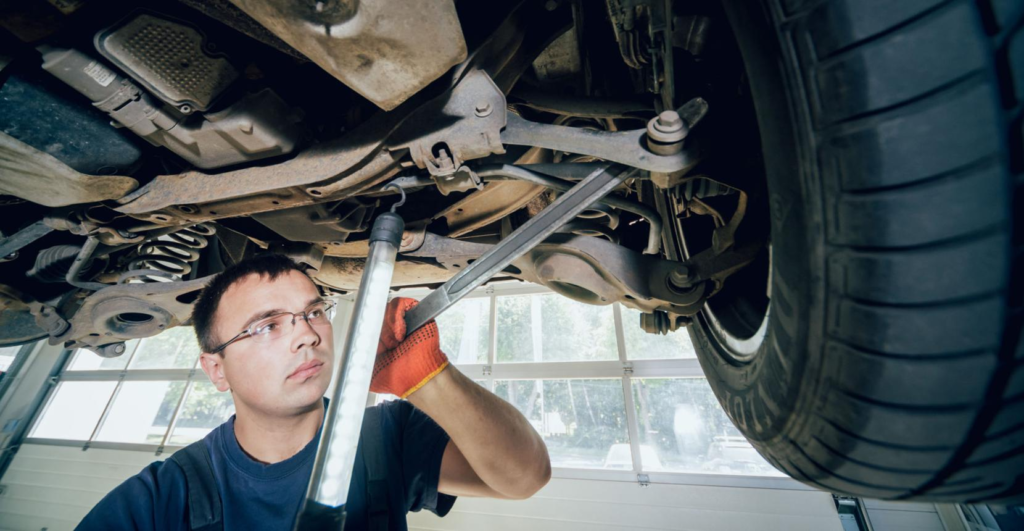
Proper maintenance extends the life of your suspension system and improves safety.
Best Practices
1. Regular Inspections
Have your suspension checked at least once a year or every 12,000 miles.
2. Wheel Alignment
Misalignment puts stress on suspension components.
3. Replace Worn Parts Promptly
Delaying repairs can damage other components.
4. Drive Carefully
Avoid potholes and rough terrain when possible.
5. Professional Servicing
Get expert help from experienced technicians:
<a href=”https://gladstonegarage.co.uk/services/”>Explore professional suspension services</a>
Why Suspension Maintenance Is Critical for Safety
According to road safety data, poorly maintained suspension systems significantly increase braking distance and reduce vehicle control.
Authoritative automotive sources like
https://www.rac.co.uk/drive/advice/car-maintenance/suspension/
highlight that suspension issues can directly impact steering and braking performance.
This makes regular maintenance not just a recommendation—but a necessity.
Expert Insights: When Should You Replace Suspension Components?
Most suspension components have a lifespan, but it varies based on usage and road conditions.
General Guidelines
- Shock absorbers: Every 50,000 miles
- Struts: Every 50,000–100,000 miles
- Bushings: As needed based on wear
If your vehicle frequently drives on rough roads, replacements may be needed sooner.
Internal Resource for Further Reading
To stay informed about car maintenance and performance tips, visits our website
Conclusion: Keep Your Suspension in Top Condition
Your vehicle’s suspension system is essential for comfort, safety, and performance. Ignoring early warning signs can lead to costly repairs and dangerous driving conditions.
Regular inspections, proper maintenance, and timely repairs ensure your vehicle remains safe and reliable on the road.
If you suspect any issues, don’t wait—get your suspension checked by professionals and keep your driving experience smooth and secure.